
The Evolution of Music Events: From Local Gigs to Global Festivals
By Heidi Petrov · · 3 min read
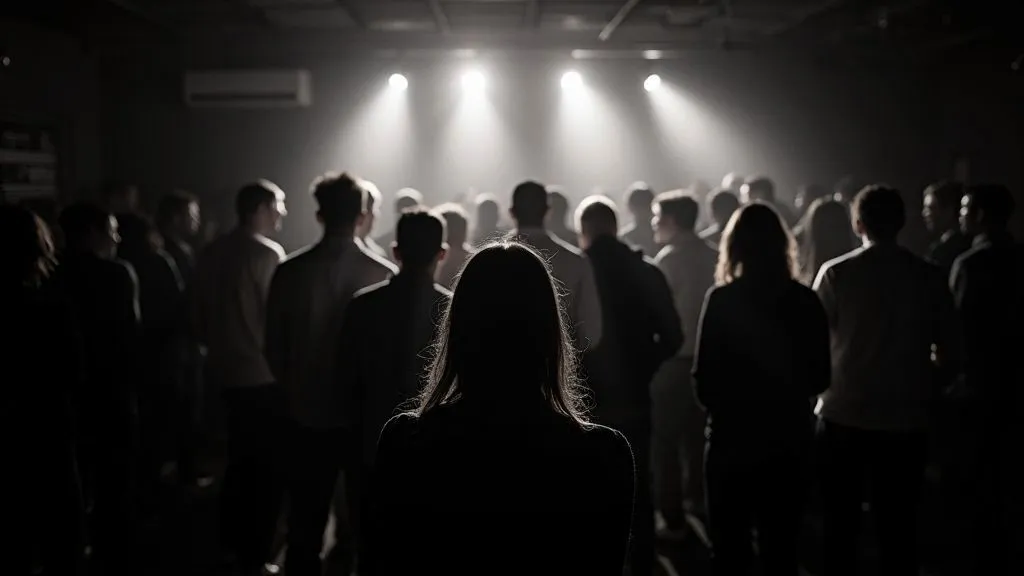
Music events have undergone a remarkable transformation over the years. What started as small gatherings in local bars and community halls has evolved into large-scale festivals attracting thousands of fans from across the globe. This article explores the journey of music events, highlighting key milestones, trends, and what the future may hold.
The Birth of Live Music Events
Live music can be traced back to ancient times, where performances were often held in communal spaces. Over centuries, the concept of live music events grew, with the introduction of concert halls and theaters in the 18th and 19th centuries. These venues enabled artists to perform for larger audiences, setting the stage for the modern music event.
In the mid-20th century, rock ‘n’ roll brought about a cultural shift. Artists like Elvis Presley and The Beatles drew massive crowds, showcasing the potential of live performances to captivate audiences. This era also saw the creation of iconic music festivals, such as Woodstock in 1969, which not only celebrated music but also served as a platform for social change.
The Rise of Music Festivals
As musical genres diversified, so did the types of events available. The 1980s and 1990s witnessed a surge in music festivals, with events like Glastonbury and Coachella becoming household names. These festivals combined multiple genres, attracting diverse audiences. The experience was not just about the music; it was about the entire atmosphere, including art installations, food vendors, and community engagement.
The internet revolution played a crucial role in the growth of music festivals. With online ticketing and social media, festivals could reach broader audiences, making it easier for fans to discover and participate in live music events. The digital age not only facilitated ticket sales but also allowed for real-time engagement, transforming attendees into active participants.
Trends Shaping Music Events Today
Several trends have emerged in the music events landscape, reflecting changes in technology, culture, and audience expectations.
Sustainability Practices
In recent years, there has been a growing emphasis on sustainability at music events. Organizers are increasingly adopting eco-friendly practices, such as reducing single-use plastics, sourcing local food vendors, and implementing recycling programs. Festivals like Glastonbury have taken significant strides in this direction, with comprehensive sustainability plans and efforts to minimize their carbon footprint.
Diversification of Genres and Experiences
Today’s music events are characterized by their diversity. While traditional genres like rock and pop remain popular, festivals now embrace a wide range of musical styles, including electronic, hip-hop, and world music. This diversification not only broadens the appeal of events but also fosters a sense of community among fans of different backgrounds.
Moreover, many festivals are adapting their offerings to enhance attendee experiences. From immersive art installations to wellness activities like yoga and meditation sessions, events are becoming multi-dimensional experiences rather than just concerts. This trend reflects a shift in audience preferences, where holistic and experiential elements are increasingly valued.
Technological Innovations
The use of technology in music events has transformed the way audiences interact with performances. Virtual reality (VR) and augmented reality (AR) are making their way into the music scene, allowing fans to experience concerts in innovative ways. For instance, some festivals have begun offering VR experiences that enable attendees to explore the venue or artist performances from different angles.
Additionally, live streaming has gained popularity, allowing those who cannot physically attend to participate remotely. Major festivals now offer live broadcasts, creating a global audience and fostering a sense of inclusion. This approach not only expands reach but also provides artists with valuable exposure.
The Future of Music Events
As we look ahead, the future of music events appears promising yet complex. With the ongoing advancements in technology and shifting audience expectations, organizers will need to adapt quickly to remain relevant.
Hybrid Events
The pandemic significantly impacted live events, pushing many to adopt hybrid models that combine in-person and virtual experiences. This trend is likely to continue, offering greater flexibility for attendees and catering to those who prefer to engage from home. Hybrid events can also enhance accessibility, ensuring that music lovers from various backgrounds can partake in these experiences.
Continued Emphasis on Health and Safety
Post-pandemic, health and safety have become paramount concerns. Organizers will need to establish protocols to ensure the well-being of attendees, staff, and artists alike. This may include enhanced sanitation measures, crowd management, and the use of technology for contactless experiences.