
Unpacking the Technology that Powers Today's Live Music Experiences
By Heidi Petrov · · 4 min read
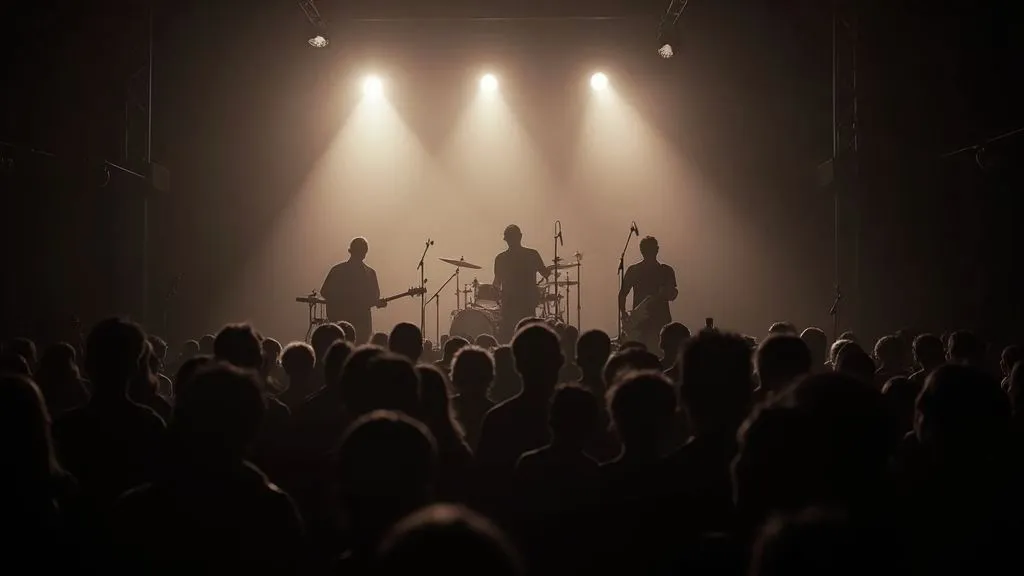
The world of live music events has evolved dramatically over the past decade, driven largely by advancements in technology. From immersive light shows to cutting-edge sound systems, the tools and techniques available today shape how audiences experience performances. This article explores the various technologies that enhance live music events, focusing on sound, lighting, video production, and interactive elements that create unforgettable experiences for attendees.
Sound Systems: The Heartbeat of Live Music
At the core of any music event lies the sound system. The transition from traditional PA systems to sophisticated line array systems has revolutionized how music is heard live. These systems provide better sound distribution, allowing audiences to enjoy clear audio no matter where they are seated or standing.
Modern sound technology also incorporates digital mixing consoles, which enable sound engineers to manipulate audio in real-time. This flexibility ensures that each performance sounds unique, tailored to the specific acoustics of the venue. Moreover, advancements in wireless technology have simplified setup and allowed for more dynamic performances, where musicians can move freely without being tethered to their instruments.
The Importance of Quality
Quality sound systems are essential not just for clarity but also for creating an emotional connection between the artist and the audience. Well-mixed audio allows nuances in a performance to shine through, from the subtleties of a vocalist’s inflection to the depth of a bassline. When done right, the sound can evoke powerful emotions that enhance the overall experience.
Lighting: Setting the Mood
The visual component of a live performance is just as crucial as the auditory experience. Advanced lighting technology has transformed stages into immersive environments. From LED fixtures to intelligent lighting systems, modern setups can create a dynamic interplay of light and shadow, enhancing the performance’s emotional tone.
Programmable Lighting Systems
Programmable lighting systems allow designers to sync effects with the music, creating a cohesive performance that engages the audience on multiple levels. These systems can change colors and patterns in response to the tempo, dynamics, or even specific notes being played. This synchronization deepens the audience’s immersion, as they become part of a multisensory experience.
Video Production: Capturing the Action
Video has become an integral part of live music events, serving both to enhance the show and to capture it for future consumption. Large LED screens display everything from live feeds of the performance to artistic visuals that complement the music. This ensures that even those in the back rows have a great view of the action.
Multi-Camera Setups
Using multiple cameras allows for varied angles and close-ups that showcase not just the performers but also the audience’s reactions. This adds another layer to the experience, as viewers can see how the performance impacts those around them. Additionally, recorded performances can be edited for promotional content, helping artists connect with fans long after the show has ended.
Interactive Technology: Engaging the Audience
With the rise of social media and mobile technology, live events are more interactive than ever. Many music events now incorporate apps and social media platforms to engage attendees before, during, and after the show.
Real-Time Interaction
Some events allow fans to request songs, vote on setlists, or even participate in live polls. This level of interaction not only makes the audience feel more involved but also provides valuable feedback to the performers. This technology creates a symbiotic relationship between artist and audience, enriching the live experience.
Augmented and Virtual Reality
Augmented reality (AR) and virtual reality (VR) are on the cutting edge of interactive technology. While still emerging, these technologies offer exciting possibilities for live music. Imagine donning a VR headset to view a concert from the front row or using AR to see additional content related to the performance. Such technologies open the door to creative new experiences that could redefine the live music landscape.
The Role of Streaming Technology
As music events increasingly move online, streaming technology has become vital. The ability to broadcast live performances allows fans who cannot attend in person to experience the show from home. This not only broadens the audience but also opens up new revenue streams for artists and event organizers.
Quality Streaming
High-quality streaming relies on robust internet connectivity and sophisticated production techniques. Multiple camera angles, high-definition audio, and seamless transitions can make virtual attendees feel as if they are part of the live event. The challenge remains to provide an experience comparable to being there in person, but as technology evolves, so too do the possibilities.
Sustainability in Event Technology
As live events grow in scale, so does their environmental impact. Fortunately, technology is also paving the way for more sustainable practices in live music. Energy-efficient lighting, solar-powered stages, and eco-friendly sound systems are becoming staples in the industry, allowing organizers to reduce their carbon footprint while still delivering high-quality experiences.
Innovative Solutions
Some events are now employing biodegradable materials for stage design and using sustainable transport methods for equipment. These initiatives not only appeal to environmentally-conscious consumers but also set a precedent for the future of the industry. Innovation in sustainability demonstrates that it is possible to enjoy live music without compromising our planet.